
 English
 Español
 Portugues
 Pусский
 Français
 Deutsch
 日本語
日本語 한국어
한국어 العربية
 Italiano
 Nederlands
 Ελληνικά
 Svenska
 Polski
 ไทย
ไทย Türk dili
 हिन्दी
 Indonesia
 Melayu
 中文
中文 dansk
dansk Magyar
 қазақ
қазақ বাংলা
বাংলা עִברִית
 čeština
 Soomaali
 မြန်မာ
 فارسی
فارسی українська
 norsk
norsk Gaeilge
 беларускі
 Română
 ພາສາລາວ
 Filipino
 lietuvių
 Cymraeg
 македонски
 Suomalainen
 slovenský
 o'zbek
 اردو
اردو հայերեն
 Igbo
Igbo български
 سنڌي
سنڌي Shona
Shona සිංහල
සිංහල Hrvatski
 íslenskur
 galego
 català
 Zulu South Africa
 Afrikaans isiXhosa
 ಕನ್ನಡ
ಕನ್ನಡ lëtzebuergesch
 Indonésia Sunda
 Кыргызча
 тоҷикӣ
 Србија
 Twi
Twi Hawaii
 Cebu
Cebu नेपाल
नेपाल euskara
 frissi
 יידיש
יידיש latvija
 slovenija
 kiswahili
 ਪੰਜਾਬ
ਪੰਜਾਬ پښتو
پښتو საქართველოს
 hua moni
 bosna
bosna Kreyòl ayisyen
 Eesti
Eesti Gàidhlig na h-Alba
 Samoa
Samoa Монгол
 Azərbaycan
 አማራ
አማራ Shqipëria
 Malagasy
 Malta
Malta ខ្មែរ
ខ្មែរ Chicheva
 中文(繁体)
 ଓଡିଆ
ଓଡିଆ Setswana
 Afrikaans
 Aymara
 Башҡорт
 Türkmenler
 ትግሪኛ
ትግሪኛ Afaan Oromoo
 অসমীয়া
 Kinyarwanda
 Ilocano
 Wolof
Wolof अवधी
अवधी Oluganda
 Bikol
Bikol Fulɓe
Fulɓe Kikongo
 Sango
Sango ދިވެހި
 Lingala
 मैथिली
 Tsonga
 ꯃꯦꯏ ꯊꯥꯏ꯫
 brezhoneg
 Furlan
 नेवा
नेवा རྫོང་ཁ
 Santali
 Аҧсуа
Аҧсуа Нохчийн
 Чӑваш
Чӑваш Татар
Татар Batak Karo
 دری
دری Diura
Diura Fengyu
 Eʋegbe
 Iban
Iban Fiji
Fiji Tonga
Tonga Inuktitut
 Nahuatl
 maaya yucatec
 Runasimi
 guarani
 Qafar
Qafar Acholi
 Dinka
Dinka Luo
Luo Lundi
Lundi isiNdebele
 Tshivenḓa
 Sesotho sa Leboa
 Sesotho sa Borwa
 Ndumbe
 Papuan Pidgin
 Rromani ćhib
 Thok Nath

training idler roller
Training on Idler Rollers in Conveyor Systems Idler rollers are critical components in conveyor systems, designed to support the conveyor belt and its load while ensuring smooth and efficient material handling. Proper training on idler rollers is essential for maintenance personnel, operators, and engineers to maximize system performance, reduce downtime, and extend equipment lifespan. 1. Introduction to Idler Rollers Idler rollers are cylindrical components installed along the length of a conveyor frame to provide support and guide the belt. They come in various types, including: - Carrying Idlers: Support the loaded side of the belt. - Return Idlers: Support the empty belt on the return side. - Impact Idlers: Absorb shock at loading points to protect the belt. - Training Idlers: Help align the belt to prevent misalignment and damage. 2. Key Functions and Importance - Belt Support: Distribute the weight of the conveyed material evenly. - Reduced Friction: Minimize resistance between the belt and the frame. - Belt Tracking: Ensure the belt stays centered to avoid edge damage. - Shock Absorption: Protect the belt from impact at loading zones. 3. Common Issues and Troubleshooting - Misalignment: Caused by uneven loading, worn rollers, or improper installation. - Roller Seizure: Due to lack of lubrication or contamination. - Excessive Noise/Wear: Indicates bearing failure or misalignment. - Belt Slippage: May result from improper tension or worn rollers. 4. Maintenance Best Practices - Regular Inspections: Check for wear, rotation issues, and alignment. - Lubrication: Ensure bearings are properly lubricated to prevent failure. - Replacement Schedule: Replace worn or damaged rollers promptly. - Cleaning: Remove debris and buildup to prevent roller jamming. 5. Safety Considerations - Always lock out/tag out the conveyor before maintenance. - Use proper lifting techniques when handling heavy rollers. - Wear appropriate PPE (gloves, safety glasses, etc.). 6. Training Objectives - Identify different types of idler rollers and their functions. - Diagnose common issues and perform corrective actions. - Follow maintenance procedures to enhance system reliability. - Apply safety protocols to prevent accidents. Conclusion Effective training on idler rollers ensures smooth conveyor operation, reduces maintenance costs, and prolongs equipment life. By understanding their role, recognizing failure signs, and following best practices, personnel can maintain optimal conveyor performance and minimize operational disruptions. (Word count: 500)
Sản phẩm
Danh mục:
-
conveyor belt alignment idler
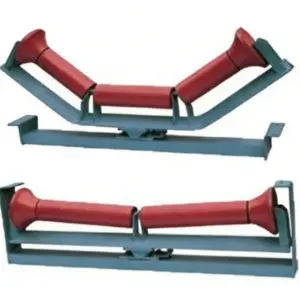
Phân loại của họ: Idler Roller SeriesLượt xem: 16Số:Thời gian phát hành: 2026-01-06 10:40:34Reversible Self-Aligning Idler SetPrecision Belt Tracking Solution for Stable Conveyor OperationProduct OverviewA reversible self-aligning idler set, also known as a reversible training idler roller set, is a specialized conveyor idler assembly designed to automatically correct conveyor belt misalignment in both forward and reverse operating directions. Unlike fixed idler sets, reversible self-aligning idlers respond dynamically to belt deviation and apply corrective forces that guide the belt back to its central running position.In modern belt conveyor systems, belt mistracking is one of the...
Tin tức
Danh mục:
Không có kết quả tìm kiếm!
Trường hợp
Danh mục:
Không có kết quả tìm kiếm!
Video
Danh mục:
Không có kết quả tìm kiếm!
Tải về
Danh mục:
Không có kết quả tìm kiếm!
Tuyển dụng
Danh mục:
Không có kết quả tìm kiếm!
Sản phẩm được đề xuất
Không có kết quả tìm kiếm!



 Whatsapp
 Điện thoại