
 English
 Español
 Portugues
 Pусский
 Français
 Deutsch
 日本語
日本語 한국어
한국어 العربية
 Italiano
 Nederlands
 Ελληνικά
 Svenska
 Polski
 ไทย
ไทย Türk dili
 हिन्दी
 Indonesia
 Melayu
 中文
中文 dansk
dansk Magyar
 қазақ
қазақ বাংলা
বাংলা עִברִית
 čeština
 Soomaali
 မြန်မာ
 فارسی
فارسی українська
 norsk
norsk Gaeilge
 беларускі
 Română
 ພາສາລາວ
 Filipino
 lietuvių
 Cymraeg
 македонски
 Suomalainen
 slovenský
 o'zbek
 اردو
اردو հայերեն
 Igbo
Igbo български
 سنڌي
سنڌي Shona
Shona සිංහල
සිංහල Hrvatski
 íslenskur
 galego
 català
 Zulu South Africa
 Afrikaans isiXhosa
 ಕನ್ನಡ
ಕನ್ನಡ lëtzebuergesch
 Indonésia Sunda
 Кыргызча
 тоҷикӣ
 Србија
 Twi
Twi Hawaii
 Cebu
Cebu नेपाल
नेपाल euskara
 frissi
 יידיש
יידיש latvija
 slovenija
 kiswahili
 ਪੰਜਾਬ
ਪੰਜਾਬ پښتو
پښتو საქართველოს
 hua moni
 bosna
bosna Kreyòl ayisyen
 Eesti
Eesti Gàidhlig na h-Alba
 Samoa
Samoa Монгол
 Azərbaycan
 አማራ
አማራ Shqipëria
 Malagasy
 Malta
Malta ខ្មែរ
ខ្មែរ Chicheva
 中文(繁体)
 ଓଡିଆ
ଓଡିଆ Setswana
 Afrikaans
 Aymara
 Башҡорт
 Türkmenler
 ትግሪኛ
ትግሪኛ Afaan Oromoo
 অসমীয়া
 Kinyarwanda
 Ilocano
 Wolof
Wolof अवधी
अवधी Oluganda
 Bikol
Bikol Fulɓe
Fulɓe Kikongo
 Sango
Sango ދިވެހި
 Lingala
 मैथिली
 Tsonga
 ꯃꯦꯏ ꯊꯥꯏ꯫
 brezhoneg
 Furlan
 नेवा
नेवा རྫོང་ཁ
 Santali
 Аҧсуа
Аҧсуа Нохчийн
 Чӑваш
Чӑваш Татар
Татар Batak Karo
 دری
دری Diura
Diura Fengyu
 Eʋegbe
 Iban
Iban Fiji
Fiji Tonga
Tonga Inuktitut
 Nahuatl
 maaya yucatec
 Runasimi
 guarani
 Qafar
Qafar Acholi
 Dinka
Dinka Luo
Luo Lundi
Lundi isiNdebele
 Tshivenḓa
 Sesotho sa Leboa
 Sesotho sa Borwa
 Ndumbe
 Papuan Pidgin
 Rromani ćhib
 Thok Nath

steep angle conveyor belt
Steep Angle Conveyor Belts: Design, Applications, and Advantages Steep angle conveyor belts are specialized material handling systems designed to transport bulk materials at inclines ranging from 30° to 90°, significantly steeper than traditional conveyors. These belts are engineered to maximize space efficiency, reduce footprint, and enable material transfer in challenging environments where horizontal or low-angle conveyors are impractical. Design Features Steep angle conveyor belts incorporate unique structural and functional elements to prevent material slippage and ensure stable transport: 1. Cleats and Sidewalls: The belts feature raised cleats (crossbars) and flexible rubber or polymer sidewalls to contain materials and counteract gravity. Cleats are spaced according to the material’s flow characteristics, while sidewalls prevent spillage. 2. Reinforced Construction: High-tensile fabric or steel cord reinforcements provide durability under heavy loads and steep inclines. The belt’s carcass resists stretching and tearing. 3. Specialized Cover Materials: The top and bottom covers are made from abrasion-resistant rubber or composite materials to withstand wear from sharp or heavy materials like ore, coal, or aggregates. 4. Corrugated Design: Some belts use a corrugated profile with pockets to securely hold fine or granular materials, such as grains or sand, during vertical ascent. Applications Steep angle conveyors are widely used in industries requiring efficient vertical or near-vertical transport: - Mining and Quarrying: Transporting crushed stone, minerals, or coal from pits to processing plants. - Agriculture: Moving grain, fertilizer, or feed into silos or storage bins. - Construction: Handling cement, sand, or aggregates in confined spaces. - Power Plants: Conveying biomass or ash at high angles. - Recycling: Elevating shredded materials or waste for sorting. Advantages Over Traditional Conveyors 1. Space Savings: By operating at steep angles, these belts reduce the need for long horizontal runs or multiple transfer points. 2. Energy Efficiency: They minimize the number of motors and drives compared to systems requiring cascading conveyors. 3. Versatility: Suitable for diverse materials, from fine powders to large lumps. 4. Lower Maintenance: Fewer transfer points reduce dust, spillage, and mechanical wear. Challenges - Material Compatibility: Sticky or overly wet materials may adhere to cleats or sidewalls, requiring frequent cleaning. - Higher Initial Cost: Custom designs and reinforced materials increase upfront investment but offer long-term savings. Conclusion Steep angle conveyor belts are indispensable for industries needing compact, high-capacity vertical transport. Their innovative design ensures reliable performance while optimizing space and energy use. Proper selection based on material properties and operational conditions is key to maximizing their benefits.
Sản phẩm
Danh mục:
-
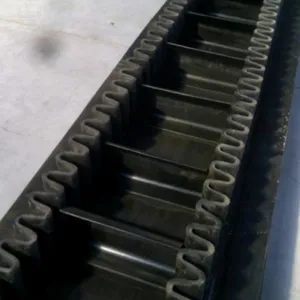
Corrugated sidewall conveyor belts
Phân loại của họ: Conveyor Belt SystemsLượt xem: 19Số:Thời gian phát hành: 2025-12-29 18:22:56Product OverviewCorrugated sidewall conveyor belts are specially designed conveyor belt systems used for vertical or steep-angle conveying of bulk materials. Unlike conventional flat conveyor belts, corrugated sidewall conveyor belts are equipped with corrugated sidewalls and cross cleats, allowing materials to be conveyed at angles ranging from 30 degrees up to 90 degrees. This unique structure enables efficient material transport in limited spaces while preventing spillage and material rollback.Corrugated sidewall conveyor belts are widely used in industries where space optimization, high li...
Tin tức
Danh mục:
-
[industry news]Sidewall Conveyor Belt System for Steep Angle Material Trans...
2026-01-09 12:56:01
Trường hợp
Danh mục:
Không có kết quả tìm kiếm!
Video
Danh mục:
Không có kết quả tìm kiếm!
Tải về
Danh mục:
Không có kết quả tìm kiếm!
Tuyển dụng
Danh mục:
Không có kết quả tìm kiếm!
Sản phẩm được đề xuất
Không có kết quả tìm kiếm!



 Whatsapp
 Điện thoại