
 English
 Español
 Portugues
 Pусский
 Français
 Deutsch
 日本語
日本語 한국어
한국어 العربية
 Italiano
 Nederlands
 Ελληνικά
 Svenska
 Polski
 ไทย
ไทย Türk dili
 हिन्दी
 Indonesia
 Melayu
 中文
中文 dansk
dansk Magyar
 қазақ
қазақ বাংলা
বাংলা עִברִית
 čeština
 Soomaali
 မြန်မာ
 فارسی
فارسی українська
 norsk
norsk Gaeilge
 беларускі
 Română
 ພາສາລາວ
 Filipino
 lietuvių
 Cymraeg
 македонски
 Suomalainen
 slovenský
 o'zbek
 اردو
اردو հայերեն
 Igbo
Igbo български
 سنڌي
سنڌي Shona
Shona සිංහල
සිංහල Hrvatski
 íslenskur
 galego
 català
 Zulu South Africa
 Afrikaans isiXhosa
 ಕನ್ನಡ
ಕನ್ನಡ lëtzebuergesch
 Indonésia Sunda
 Кыргызча
 тоҷикӣ
 Србија
 Twi
Twi Hawaii
 Cebu
Cebu नेपाल
नेपाल euskara
 frissi
 יידיש
יידיש latvija
 slovenija
 kiswahili
 ਪੰਜਾਬ
ਪੰਜਾਬ پښتو
پښتو საქართველოს
 hua moni
 bosna
bosna Kreyòl ayisyen
 Eesti
Eesti Gàidhlig na h-Alba
 Samoa
Samoa Монгол
 Azərbaycan
 አማራ
አማራ Shqipëria
 Malagasy
 Malta
Malta ខ្មែរ
ខ្មែរ Chicheva
 中文(繁体)
 ଓଡିଆ
ଓଡିଆ Setswana
 Afrikaans
 Aymara
 Башҡорт
 Türkmenler
 ትግሪኛ
ትግሪኛ Afaan Oromoo
 অসমীয়া
 Kinyarwanda
 Ilocano
 Wolof
Wolof अवधी
अवधी Oluganda
 Bikol
Bikol Fulɓe
Fulɓe Kikongo
 Sango
Sango ދިވެހި
 Lingala
 मैथिली
 Tsonga
 ꯃꯦꯏ ꯊꯥꯏ꯫
 brezhoneg
 Furlan
 नेवा
नेवा རྫོང་ཁ
 Santali
 Аҧсуа
Аҧсуа Нохчийн
 Чӑваш
Чӑваш Татар
Татар Batak Karo
 دری
دری Diura
Diura Fengyu
 Eʋegbe
 Iban
Iban Fiji
Fiji Tonga
Tonga Inuktitut
 Nahuatl
 maaya yucatec
 Runasimi
 guarani
 Qafar
Qafar Acholi
 Dinka
Dinka Luo
Luo Lundi
Lundi isiNdebele
 Tshivenḓa
 Sesotho sa Leboa
 Sesotho sa Borwa
 Ndumbe
 Papuan Pidgin
 Rromani ćhib
 Thok Nath



rubber lagged bend pulley
Rubber Lagged Bend Pulley: An Overview A rubber lagged bend pulley is a critical component in conveyor belt systems, designed to enhance traction, reduce slippage, and protect the belt from wear. It is commonly used in industries such as mining, agriculture, manufacturing, and logistics, where bulk material handling is essential. The pulley features a rubber coating (lagging) on its outer surface, which provides superior grip and extends the lifespan of both the belt and the pulley. Design and Construction The bend pulley consists of a robust steel shell with a rubber lagging layer bonded to its surface. The rubber lagging can vary in thickness, pattern, and hardness depending on the application. Common lagging patterns include diamond grooving, herringbone, or plain smooth surfaces, each offering distinct advantages in terms of grip and debris removal. The pulley is mounted on heavy-duty bearings and shafts to ensure smooth rotation under high loads. Key Functions 1. Improved Belt Traction – The rubber lagging increases friction between the pulley and the belt, preventing slippage even in wet or dusty conditions. 2. Belt Protection – The rubber layer absorbs shocks and reduces wear on the belt, minimizing damage from abrasive materials. 3. Debris Removal – Grooved lagging patterns help clean the belt by shedding dirt, moisture, and other contaminants. 4. Noise Reduction – Rubber lagging dampens vibrations, resulting in quieter operation compared to bare metal pulleys. Applications Rubber lagged bend pulleys are typically installed at the tail or bend sections of conveyor systems where belt direction changes occur. They are ideal for environments with high moisture, dust, or heavy loads, ensuring reliable performance in harsh conditions. Advantages Over Non-Lagged Pulleys - Longer belt and pulley service life - Reduced maintenance costs - Enhanced operational efficiency - Better resistance to corrosion and impact Maintenance Considerations Regular inspection of the rubber lagging is essential to detect wear, cracks, or delamination. Proper alignment and tensioning of the belt also help prolong the pulley’s lifespan. In summary, the rubber lagged bend pulley is an indispensable component for optimizing conveyor system performance, offering durability, efficiency, and cost savings in demanding material handling applications.
Sản phẩm
Danh mục:
-
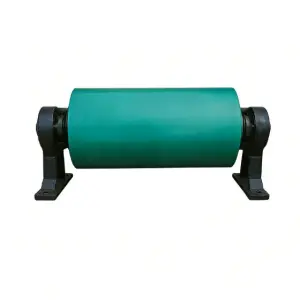
Bend Pulley
Phân loại của họ: Drum Roller SeriesLượt xem: 18Số:Thời gian phát hành: 2026-01-07 14:57:48Product OverviewThe bend pulley, also known as a deflection pulley, is an essential component in belt conveyor systems, primarily used to change the direction of the conveyor belt and optimize belt routing. While it does not usually provide the main driving force, the bend pulley plays a critical role in power transmission efficiency, belt tension distribution, and overall conveyor stability.By redirecting the belt path, bend pulleys help reduce the footprint of conveyor systems, improve belt wrap angles around drive pulleys, and maintain smooth belt movement. Due to its strategic position wit...
Tin tức
Danh mục:
Không có kết quả tìm kiếm!
Trường hợp
Danh mục:
Không có kết quả tìm kiếm!
Video
Danh mục:
Không có kết quả tìm kiếm!
Tải về
Danh mục:
Không có kết quả tìm kiếm!
Tuyển dụng
Danh mục:
Không có kết quả tìm kiếm!
Sản phẩm được đề xuất
Không có kết quả tìm kiếm!



 Whatsapp
 Điện thoại