
 English
 Español
 Portugues
 Pусский
 Français
 Deutsch
 日本語
日本語 한국어
한국어 العربية
 Italiano
 Nederlands
 Ελληνικά
 Svenska
 Polski
 ไทย
ไทย Türk dili
 हिन्दी
 Indonesia
 Melayu
 中文
中文 dansk
dansk Magyar
 қазақ
қазақ বাংলা
বাংলা עִברִית
 čeština
 Soomaali
 မြန်မာ
 فارسی
فارسی українська
 norsk
norsk Gaeilge
 беларускі
 Română
 ພາສາລາວ
 Filipino
 lietuvių
 Cymraeg
 македонски
 Suomalainen
 slovenský
 o'zbek
 اردو
اردو հայերեն
 Igbo
Igbo български
 سنڌي
سنڌي Shona
Shona සිංහල
සිංහල Hrvatski
 íslenskur
 galego
 català
 Zulu South Africa
 Afrikaans isiXhosa
 ಕನ್ನಡ
ಕನ್ನಡ lëtzebuergesch
 Indonésia Sunda
 Кыргызча
 тоҷикӣ
 Србија
 Twi
Twi Hawaii
 Cebu
Cebu नेपाल
नेपाल euskara
 frissi
 יידיש
יידיש latvija
 slovenija
 kiswahili
 ਪੰਜਾਬ
ਪੰਜਾਬ پښتو
پښتو საქართველოს
 hua moni
 bosna
bosna Kreyòl ayisyen
 Eesti
Eesti Gàidhlig na h-Alba
 Samoa
Samoa Монгол
 Azərbaycan
 አማራ
አማራ Shqipëria
 Malagasy
 Malta
Malta ខ្មែរ
ខ្មែរ Chicheva
 中文(繁体)
 ଓଡିଆ
ଓଡିଆ Setswana
 Afrikaans
 Aymara
 Башҡорт
 Türkmenler
 ትግሪኛ
ትግሪኛ Afaan Oromoo
 অসমীয়া
 Kinyarwanda
 Ilocano
 Wolof
Wolof अवधी
अवधी Oluganda
 Bikol
Bikol Fulɓe
Fulɓe Kikongo
 Sango
Sango ދިވެހި
 Lingala
 मैथिली
 Tsonga
 ꯃꯦꯏ ꯊꯥꯏ꯫
 brezhoneg
 Furlan
 नेवा
नेवा རྫོང་ཁ
 Santali
 Аҧсуа
Аҧсуа Нохчийн
 Чӑваш
Чӑваш Татар
Татар Batak Karo
 دری
دری Diura
Diura Fengyu
 Eʋegbe
 Iban
Iban Fiji
Fiji Tonga
Tonga Inuktitut
 Nahuatl
 maaya yucatec
 Runasimi
 guarani
 Qafar
Qafar Acholi
 Dinka
Dinka Luo
Luo Lundi
Lundi isiNdebele
 Tshivenḓa
 Sesotho sa Leboa
 Sesotho sa Borwa
 Ndumbe
 Papuan Pidgin
 Rromani ćhib
 Thok Nath



EP conveyor belt
EP Conveyor Belt: A Comprehensive Overview An EP conveyor belt is a type of multi-ply fabric-reinforced belt widely used in material handling across industries such as mining, agriculture, manufacturing, and logistics. The "EP" designation stands for Polyester (E) and Polyamide (P), referring to the synthetic fibers used in its construction. These belts are known for their durability, flexibility, and resistance to wear, making them suitable for conveying bulk materials over long distances or under demanding conditions. Structure and Composition An EP conveyor belt typically consists of three main components: 1. Carcass (Reinforcement Layer): The core strength comes from multiple plies of polyester warp (longitudinal) and polyamide weft (transverse) fibers. Polyester provides high tensile strength and low elongation, while polyamide offers excellent impact resistance and flexibility. This combination ensures the belt can handle heavy loads without stretching excessively. 2. Cover Rubber: The top and bottom surfaces are coated with rubber or other elastomers (e.g., SBR, NBR, or PVC) to protect the carcass from abrasion, moisture, chemicals, or extreme temperatures. The thickness and compound of the cover can be customized based on application requirements (e.g., heat-resistant, oil-resistant, or flame-retardant). 3. Edge Protection: Some belts include reinforced edges or special coatings to prevent fraying or damage from misalignment. Key Features and Advantages - High Tensile Strength: EP belts can withstand significant tension, making them ideal for long-distance or high-load conveying. - Low Elongation: Polyester’s minimal stretch ensures stable operation and reduces the need for frequent re-tensioning. - Lightweight: Compared to steel-cord belts, EP belts are lighter, reducing energy consumption and system wear. - Versatility: Available in various widths, ply counts, and cover grades to suit different materials (e.g., ores, grains, or packaged goods). - Cost-Effectiveness: Lower maintenance and replacement costs compared to metal-reinforced belts. Applications EP conveyor belts are used in: - Mining: Transporting coal, ore, or aggregates. - Ports and Logistics: Loading/unloading ships or trucks. - Agriculture: Moving grains, fertilizers, or biomass. - Manufacturing: Assembly lines or packaging processes. Maintenance Considerations To maximize lifespan, regular inspections for wear, proper tensioning, and alignment adjustments are essential. Avoiding overloading and exposure to sharp objects or corrosive substances also prolongs performance. Conclusion EP conveyor belts offer an optimal balance of strength, flexibility, and cost efficiency for diverse material handling needs. Their robust construction and adaptability make them a cornerstone of modern industrial operations.
Sản phẩm
Danh mục:
-
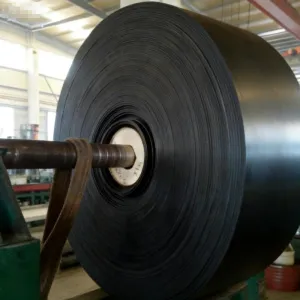
Polyester conveyor belts
Phân loại của họ: Conveyor Belt SystemsLượt xem: 19Số:Thời gian phát hành: 2025-12-29 13:11:24Product OverviewPolyester conveyor belts are one of the most widely used conveyor belt types in modern material handling systems. Known for their excellent tensile strength, low elongation, stable performance, and cost efficiency, polyester conveyor belts are commonly applied in mining, cement, power generation, ports, agriculture, and general manufacturing industries. As a core product in rubber conveyor belt systems, polyester conveyor belts offer a balanced combination of durability, flexibility, and reliability.Compared with traditional cotton or pure nylon belts, polyester conveyor belts...
Tin tức
Danh mục:
Không có kết quả tìm kiếm!
Trường hợp
Danh mục:
Không có kết quả tìm kiếm!
Video
Danh mục:
Không có kết quả tìm kiếm!
Tải về
Danh mục:
Không có kết quả tìm kiếm!
Tuyển dụng
Danh mục:
Không có kết quả tìm kiếm!
Sản phẩm được đề xuất
-
NEWS
Polyester conveyor belts
Tìm hiểu thêm



 Whatsapp
 Điện thoại